
You are about to visit a Philips global content page
Continue
Nov 18, 2026
By Alonso Ortiz Galan, Global Impact Investing Network, and
Bahaa Eddine Sarroukh, Philips Foundation
Impact investing has grown into an estimated $1.76 trillion market, according to Global Impact Investing Network’s (GIIN) State and Size of the Impact Investing Market 2026 report. But the growth of the market does not guarantee better healthcare access, it depends on whether promising technologies and businesses can translate investment into affordable, quality healthcare that lasts.
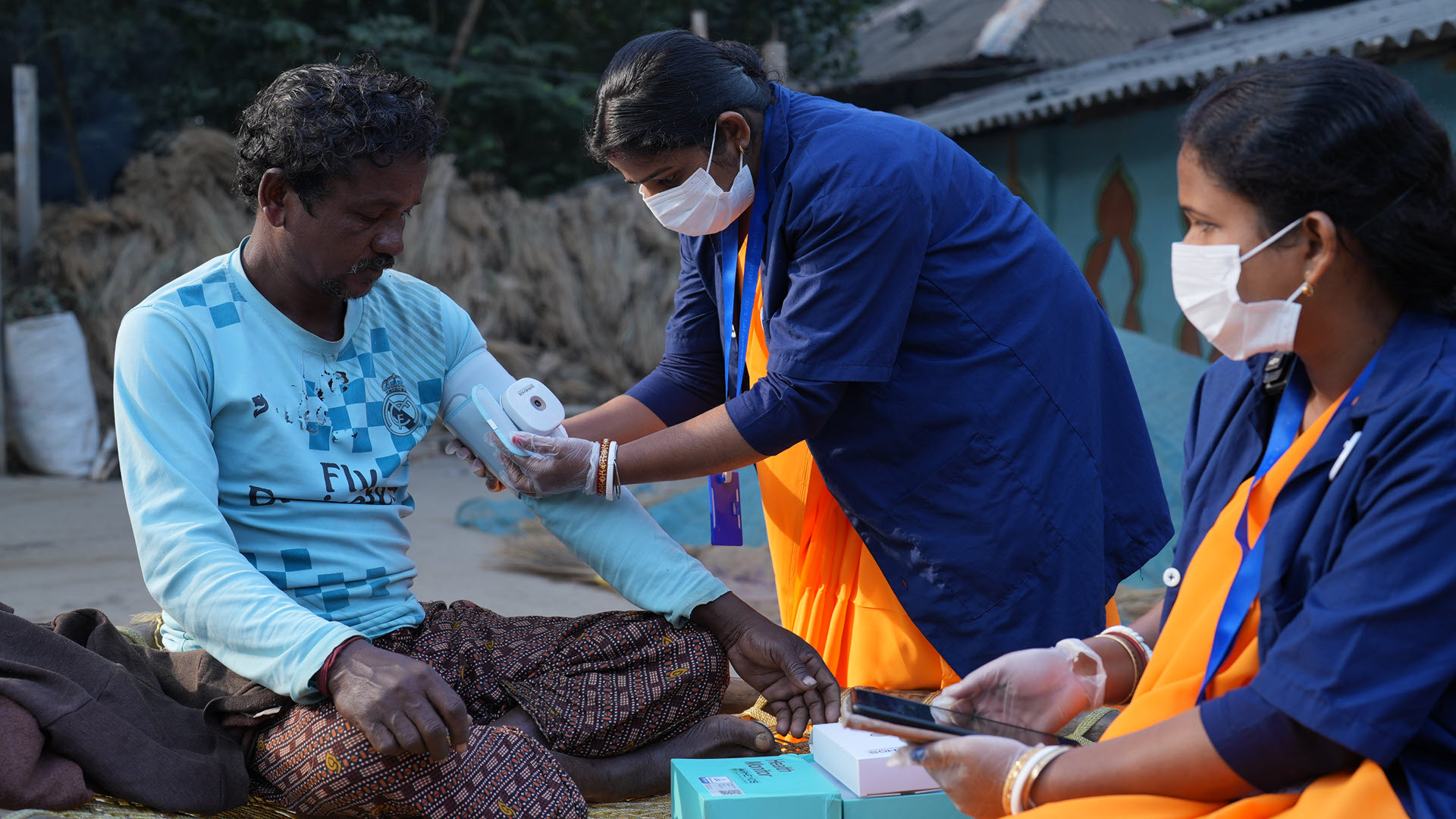
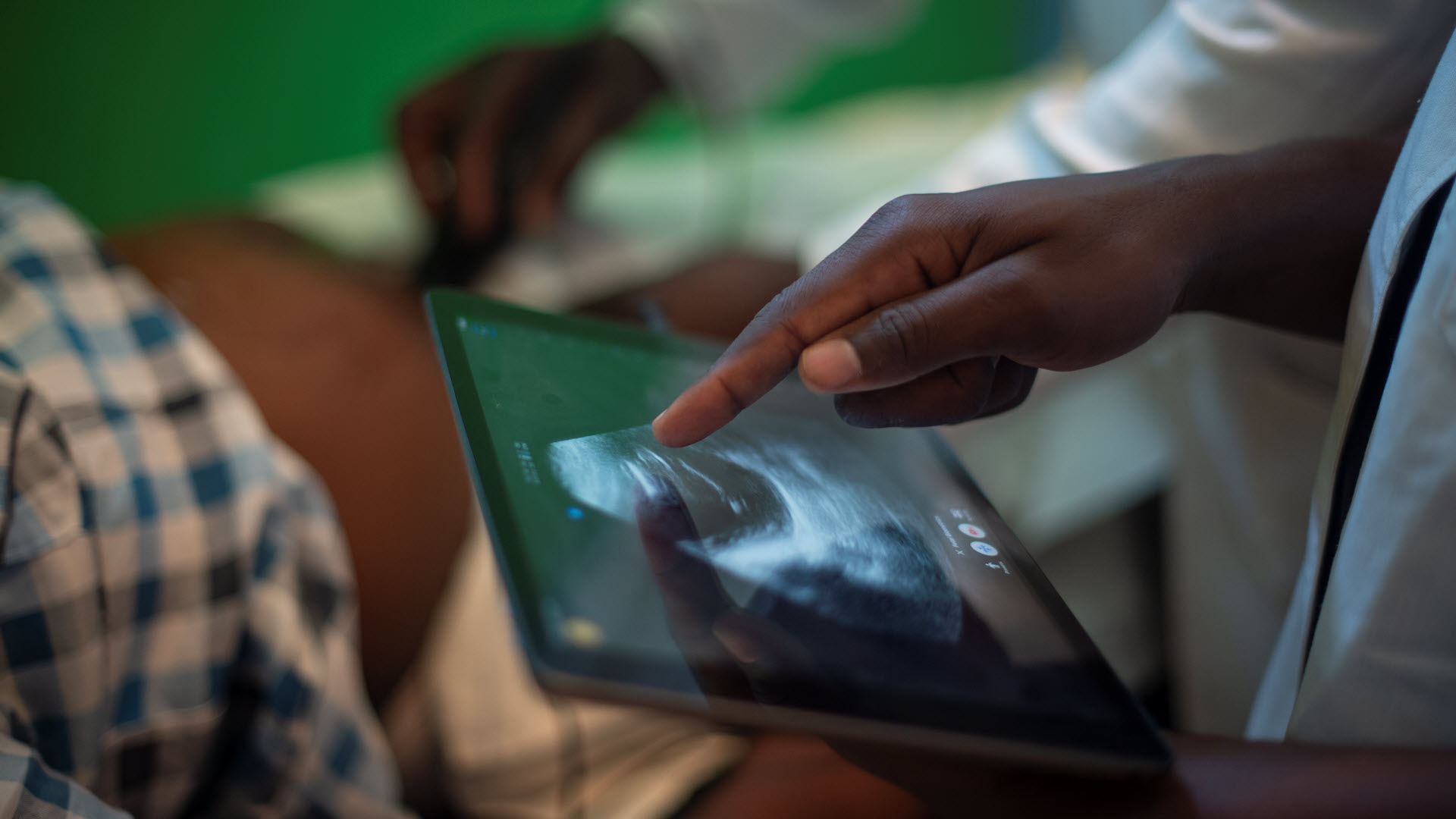
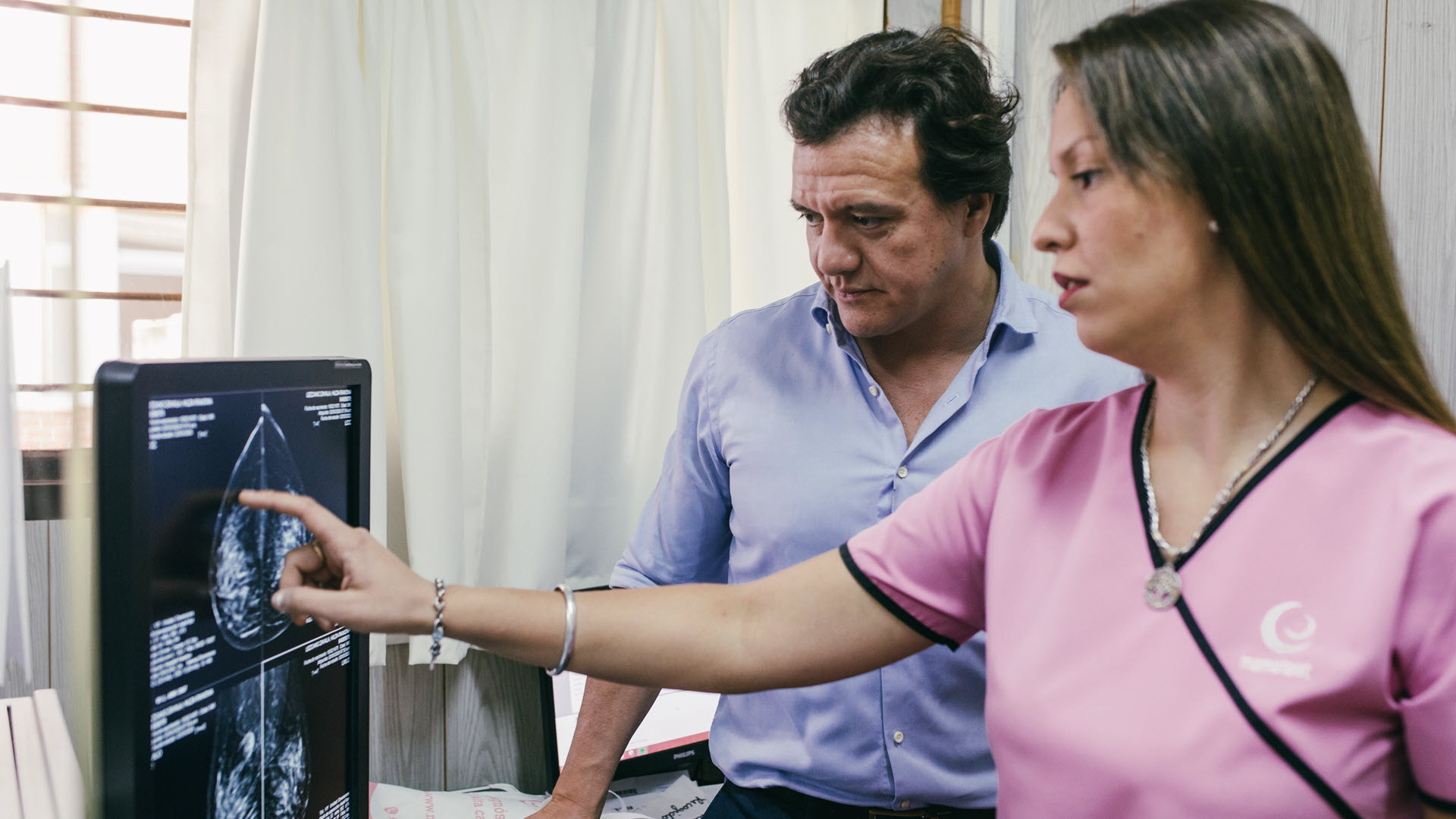
The GIIN’s survey found that healthcare appears in more than half (53%) of surveyed impact investor portfolios, but accounts for only 5% of surveyed impact AUM. Additionally, among repeat survey respondents, healthcare allocations fell 51% from 2025 to 2026, despite rising from $1.3 billion in 2019 to $3.7 billion in 2026. For impact investors, the question is not simply how much capital we can mobilize. It is how that capital can help healthcare ventures deliver affordable, quality healthcare that lasts. That means understanding both the venture and the health system around it – and matching investment horizons, risk expectations and support to the venture’s stage of development. Why healthcare requires a broader investment perspective A diagnostic service may have the right equipment but lack specialists to interpret results. A primary care provider may reach patients but struggle to connect them with further treatment. A venture serving low-income communities may face difficult choices between affordable fees and the cost of maintaining quality. These challenges influence how healthcare ventures develop, the pace at which they can grow and what they need from investors. Some may be ready to expand, while others still need stronger evidence, greater delivery capacity or a model that can operate sustainably. Financial performance and growth potential matter. But investors also need to understand how solutions fit within existing health systems, whether patients can afford them, how referral pathways function and what partnerships or expertise are required to sustain services. Investors therefore need to look beyond how quickly a venture can expand. They need to understand what makes that expansion possible, whether growth translates into meaningful improvements in access and what patient capital or non-financial support may be needed along the way. Three regions, three lessons In India, iKure combines local health workers, digital technology and healthcare partnerships to bring primary care closer to underserved rural communities. Extending its reach involves building trust, strengthening local capacity and connecting patients to diagnosis, referral and follow-up. The lesson is that the services and relationships around an innovation can be as important as the innovation itself. In Kenya, Access Afya works to make quality primary care more accessible to low-income communities through clinics and digitally supported services. Its challenge is to maintain affordability while building an operating model that can support continued delivery and expansion. For investors, financial sustainability and healthcare access need to reinforce one another. In Latin America, Bolder uses software to connect diagnostic imaging services with available radiology specialists. Its approach helps healthcare providers make better use of existing capacity. It illustrates how improving coordination can expand access without always requiring new facilities or replacing existing technology. These examples point to different routes to scale, but a shared lesson: understanding the local healthcare environment is essential to understanding the investment.
Match the support to the need There is no single financing approach that fits every healthcare venture. The starting point should be the constraint. Does the team need stronger evidence, greater delivery capacity, a more sustainable operating model or better connections to healthcare partners? Grants, impact investment and other forms of finance can play complementary roles. The right combination depends on the venture, its stage of development and what it needs to demonstrate next. A successful pilot does not automatically make commercial investment the appropriate next step. Philips Foundation works across a continuum of capital, using grants to help test and refine healthcare approaches and impact investments to support sustainable growth. It also collaborates with foundations, including Bayer Foundation and World Diabetes Foundation, bringing together complementary funding, expertise and networks. GIIN contributes a holistic industry perspective through its research, frameworks, training and convenings across asset owners and asset managers. Sharing practical experience can help investors better understand healthcare opportunities, the conditions needed to support them and the tools to measure their impact. The value of collaboration lies in making that support more useful to ventures. It should help connect entrepreneurs with the right funding, healthcare expertise and local partnerships, rather than simply bring more organizations into the conversation. More capital for healthcare remains important. But the measure of success must go beyond the amount invested or the pace of business growth. Ultimately, it is whether those investments help sustain quality care and improve access for communities that have historically been underserved.
For further information, please contact: Yannick Eshuijs
Philips Foundation
Tel. : +31 6 1852 6633
E-mail: [email protected]
October 05, 2026
September 28, 2026
September 08, 2026
June 16, 2026


