
You are about to visit a Philips global content page
Continue
Jun 16, 2026
By the Philips Foundation team
Cardiovascular disease is the world’s leading cause of death. In 2023, it caused approximately 19.8 million deaths, more than any other condition. Eighty percent of these deaths occurred in low-and middle-income countries, where access to prevention, early diagnosis, and treatment is most limited [1]. Ischemic heart disease and stroke account for the majority of cardiovascular deaths. With aging populations and rising risk factors like hypertension, diabetes and tobacco use, this burden is expected to grow.
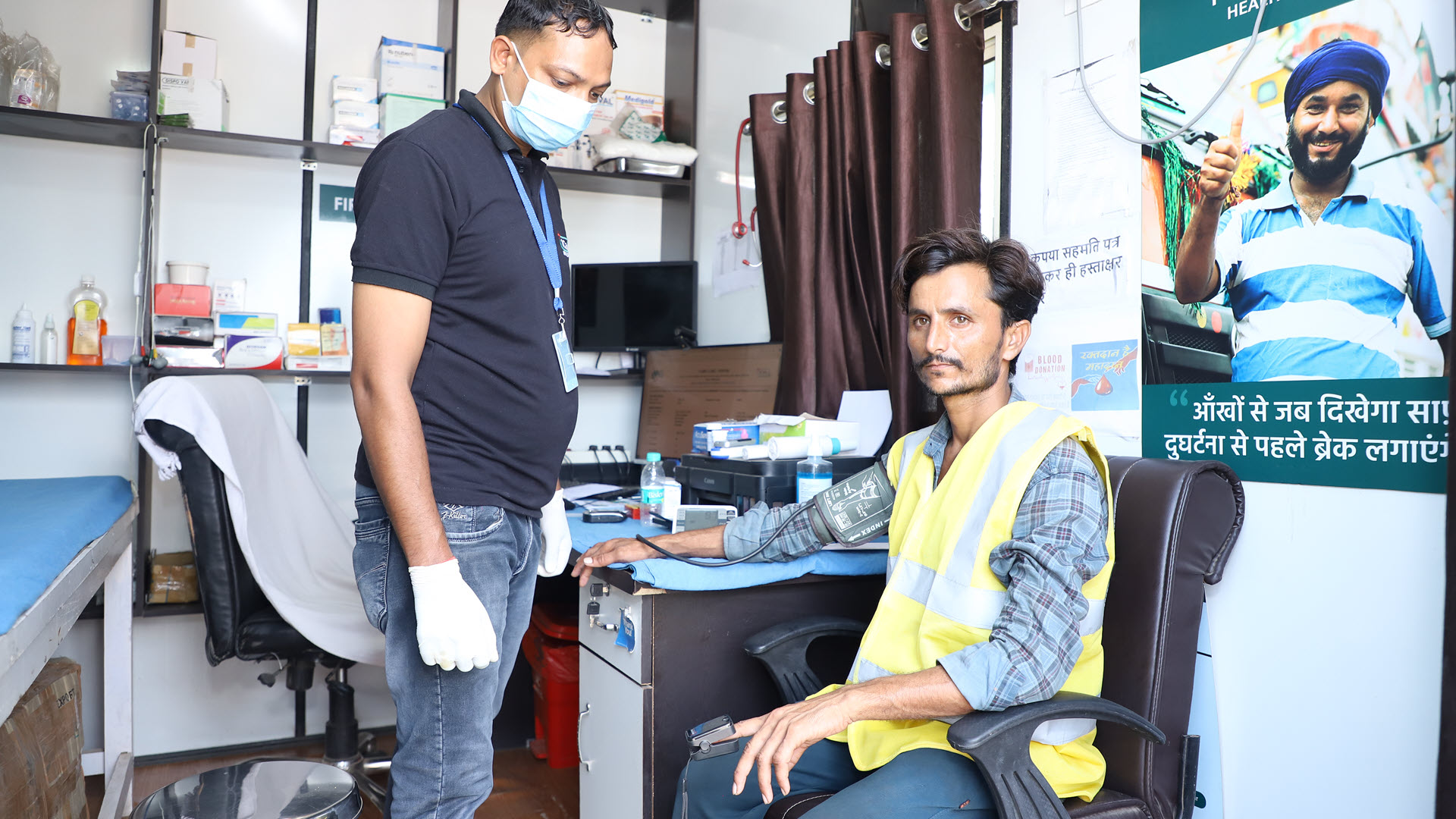
Yet cardiovascular disease is largely preventable and treatable when caught early. The problem is that in many underserved settings, it is often not caught at all. Primary care facilities often lack the diagnostic capacity to screen for cardiovascular risks. Health workers may not have the training or tools to recognize warning signs. Even when a condition is identified, referral to specialist care is often unreliable or unavailable. For many people, the nearest hospital may be hours away and the cost of ongoing care can be prohibitive. Improving cardiovascular outcomes depends on something simple, but difficult to achieve in practice: a chain of care that holds, from early risk detection to diagnosis, referral, treatment, and long-term management. Philips Foundation works along this chain, combining grant-based projects and impact investments to strengthen each step and, more importantly, the connections between them. When risk goes unseen For many people, high blood pressure, diabetes, or early heart damage often goes undetected for years, not because they do not seek care, but because screening is not part of routine services or simply not available close to where they live.
In 2023, cardiovascular disease caused approximately 19.8 million deaths, more than any other condition.
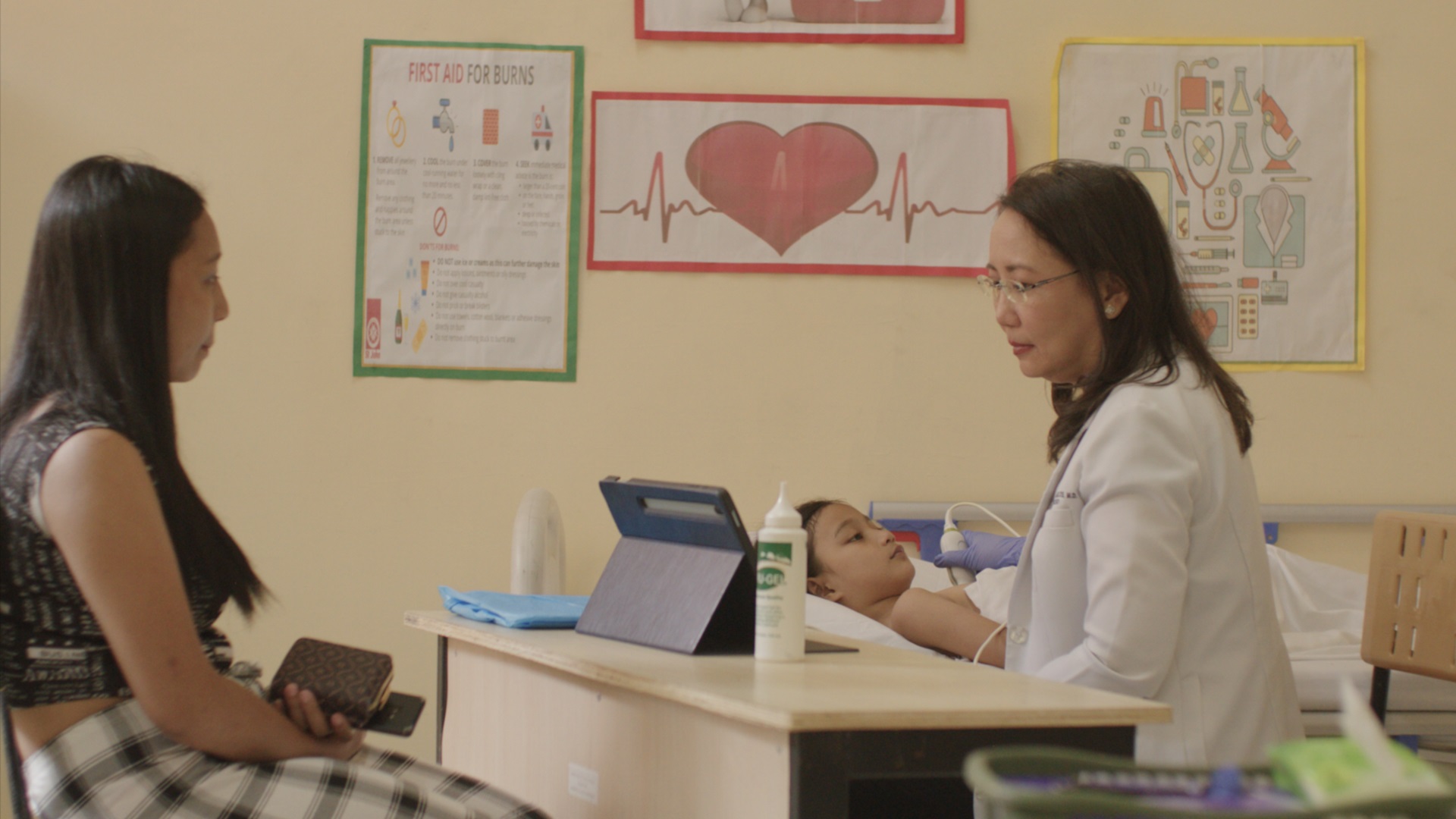
In countries such as the Philippines and Indonesia, Philips Foundation has been partnering with the World Heart Federation to bring screening closer to communities. School-based screening programs and primary care initiatives use portable ultrasound and trained health workers to detect early signs of rheumatic heart disease. In the Philippines alone, around 6,000 children were screened, identifying cases that could be treated before complications developed. At the same time, hundreds of health workers were trained, and clinical protocols were introduced so that early detection becomes part of routine care, not a one-off campaign. When detection needs to become diagnosis Screening only matters if it leads to a clear diagnosis when one is needed. In many settings, this is where the system slows down or breaks, especially when specialist expertise is not available locally.
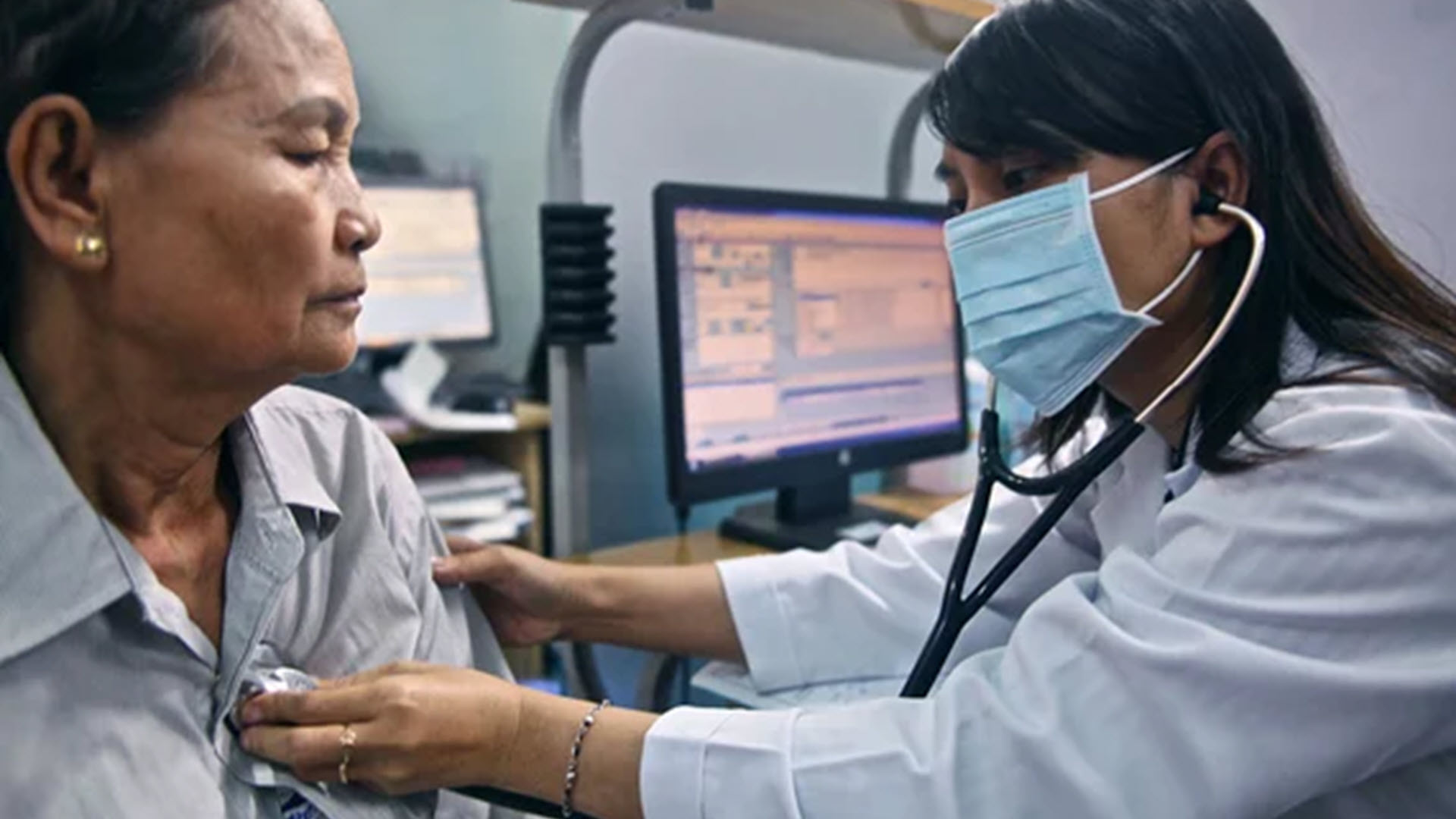
In India, Philips Foundation’s projects with CCDC and with HRIDAY/Health India Alliance focus on strengthening this critical step. Health workers are equipped with handheld ultrasound devices, digital stethoscopes, and portable electrocardiogram (ECG) tools, supported by tele-ECG capabilities. This allows frontline providers to move from screening to diagnosis quicker, even in remote or resource-constrained settings. These programs are designed to handle large patient volumes, with scalable models that connect primary care facilities to referral hubs. Ventures like Rology address diagnostic bottlenecks from another angle. By providing AI-assisted radiology reporting at scale, Rology helps clinicians interpret imaging faster and more accurately, even when specialist radiologists are not available on site. In time-sensitive situations such as stroke, this can make the difference between early intervention and irreversible damage. When diagnosis must lead to action Even when a condition is identified, patients often fall through the cracks between diagnosis and treatment. This is where referral systems matter most, and where distance, cost, and system fragmentation become real barriers. In Tanzania, Philips Foundation supports a project with the National Institute for Medical Research that connects one central hospital with 15 spoke hospitals through a structured referral model. Using AI-supported ECG interpretation, clinicians at primary care level can quickly confirm diagnoses and refer patients for appropriate care. This reduces delays and helps ensure that patients are not lost between facilities, a common challenge when travel is difficult and follow-up systems are weak. These types of models show that referral is not just about moving a patient. It is about creating a system where information, decisions, and care are connected, so that patients can reach the care they need in time.
In time-sensitive situations such as stroke, faster and more accurate imaging can make the difference between early intervention and irreversible damage.
What this shows Across these examples, a clear pattern emerges: cardiovascular outcomes depend on whether the chain of care holds from early risk detection to long-term management. Screening without diagnosis does not change outcomes, and diagnosis without treatment delays care. Referral without system capacity breaks the pathway entirely, which is even more true for more fragile healthcare systems. Philips Foundation’s approach is to strengthen this chain end to end. Grant-based projects focus on building the foundations: equipping primary care, training health workers, and establishing referral pathways. Impact investments focus on scaling solutions that connect these elements and make them work reliably at a larger scale. Together, they form one approach, linking early system strengthening with sustainable expansion. What we learned Experience across cardiovascular initiatives showed that scale comes from integration. The strongest results came from models that combined early detection, standardized diagnosis, clear referral protocols, and ongoing patient management within one system. This includes approaches that strengthen hypertension control, enable rapid ECG or imaging-based diagnosis, and connect primary care to specialist support through digital tools.
Approaches that remained fragmented, focused on single technologies or isolated interventions, struggled to move beyond pilot stage. In cardiovascular care, every break in the chain reduces the impact of the entire system. Philips Foundation’s focus now is on scaling integrated models that address cardiovascular disease across the full care pathway. This includes approaches similar to CARDIO4Cities, where population level screening, standardized treatment protocols, data-driven follow-up, and coordinated referral systems are combined within primary care networks. To accelerate this approach, Philips Foundation and Novartis Foundation have signed a framework agreement expressing their intention to work together from 2026 onwards, building on shared experience to expand and adapt these models across different settings. Future efforts will prioritize strengthening early detection and control, improving continuity of care through tooling, monitoring and follow-up, and ensuring referral systems function reliably between community, primary, and specialist care. Follow-on investment and co-investment will be used to scale these models across regions and health systems. Strengthening cardiovascular care is about building systems where each step in the chain is connected and reliable. For people in underserved communities, this can mean the difference between undiagnosed hypertension and early treatment, between surviving a heart attack or not. It brings screening, diagnosis, and referral closer to where people live, making timely, life-saving cardiac care accessible where it is often out of reach. This is an excerpt from our 2025 Annual Report. For the full report, click here. [1] World Health Organization (2025). Cardiovascular diseases (CVDs) For further information, please contact:
Yannick Eshuijs
Philips Foundation
Tel.: +31 6 1852 6633
E-mail: [email protected]
September 08, 2026
June 16, 2026
April 24, 2026
March 10, 2026
January 28, 2026


