
You are about to visit a Philips global content page
Continue
Jun 16, 2026
By the Philips Foundation team
Maternal and child health remains one of the most urgent challenges in global healthcare. Every year, around 260,000 women die from causes related to pregnancy and childbirth. In the same period, close to five million children under five do not survive, mostly from preventable causes [1]. The vast majority of these deaths occur in underserved communities, where access to quality antenatal care, skilled workforce and timely emergency support is limited.
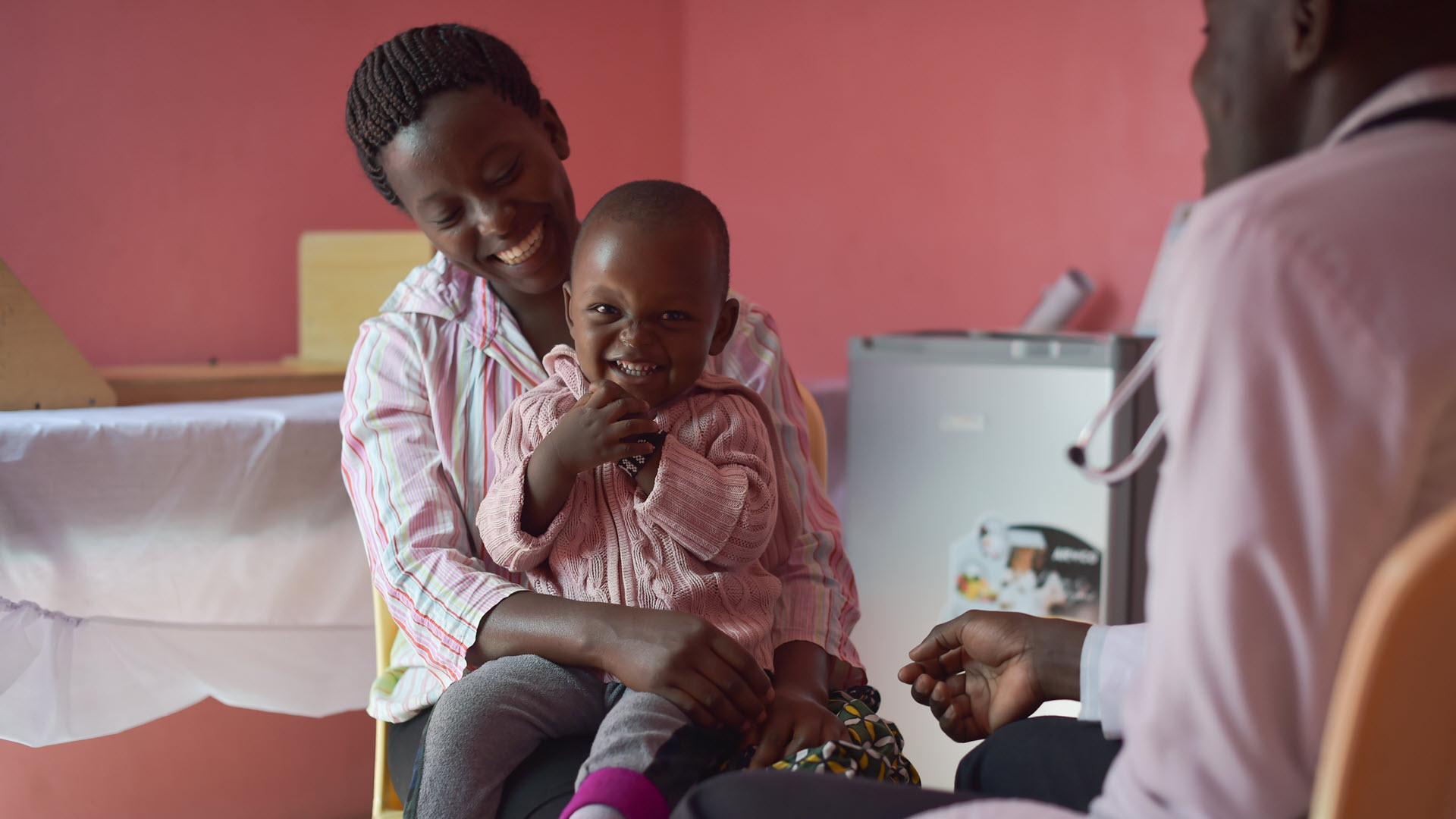
Early detection of risk, adequate care during pregnancy and birth, and functioning referral pathways can make all the difference. Improving outcomes depends on a chain of care that holds, from pre-pregnancy support to safe delivery and postnatal care. Philips Foundation works along this chain, combining grant-based projects and impact investments to strengthen each step and, more importantly, the connections between them. When early signals go unseen For many women, the journey toward a safe pregnancy begins before pregnancy itself. Understanding one’s own reproductive health or identifying health issues early can shape outcomes before the first antenatal visit. In many underserved communities, these signals go unnoticed, not because women are unaware, but because there are few accessible support structures available. Innovations supported through platforms such as 28X, a menstrual cycle tracking tool launched in 2026, are helping to close this gap by focusing on the women who are often left behind by traditional health innovation. Rather than assuming access to smartphones, subscriptions, or high health literacy, 28X is designed to work in real-world conditions, offering simple, intuitive tools that help women understand their bodies and recognize warning signs early. With planned support for multiple languages, including minority languages, and design tailored to varying literacy levels, these tools can make it possible for more women to act on early signals, without needing specialist support. Philips Foundation, through its subsidiary, invested in 28X in September 2025.
Every year, around 260,000 women die from causes related to pregnancy and childbirth.
At the same time, models such as Access Afya in Kenya and iKure in India bring primary healthcare closer to where people live, often in informal settlements where healthcare pathways typically begin. In these settings, care often starts outside formal systems, in local clinics or community-based providers. By combining physical access points with digital tools and structured care pathways, these models make it easier for women to enter the system earlier and more consistently, reducing delays in care. When the first weeks of pregnancy pass without the right guidance Once a woman is pregnant, the need for timely guidance becomes critical. Conditions such as high blood pressure, anemia, or infections can develop early and quietly, increasing the risk of complications later in pregnancy. In Uganda, Philips Foundation works since 2024 with the Ambrosoli Foundation to strengthen this early stage of care. By combining community education with practical tools such as high-risk pregnancy cards, women and families are better equipped to recognize warning signs. These tools are intentionally simple and visual, ensuring they can be used effectively even in low-literacy settings, and helping translate clinical risk into something that can be understood and acted upon at home.
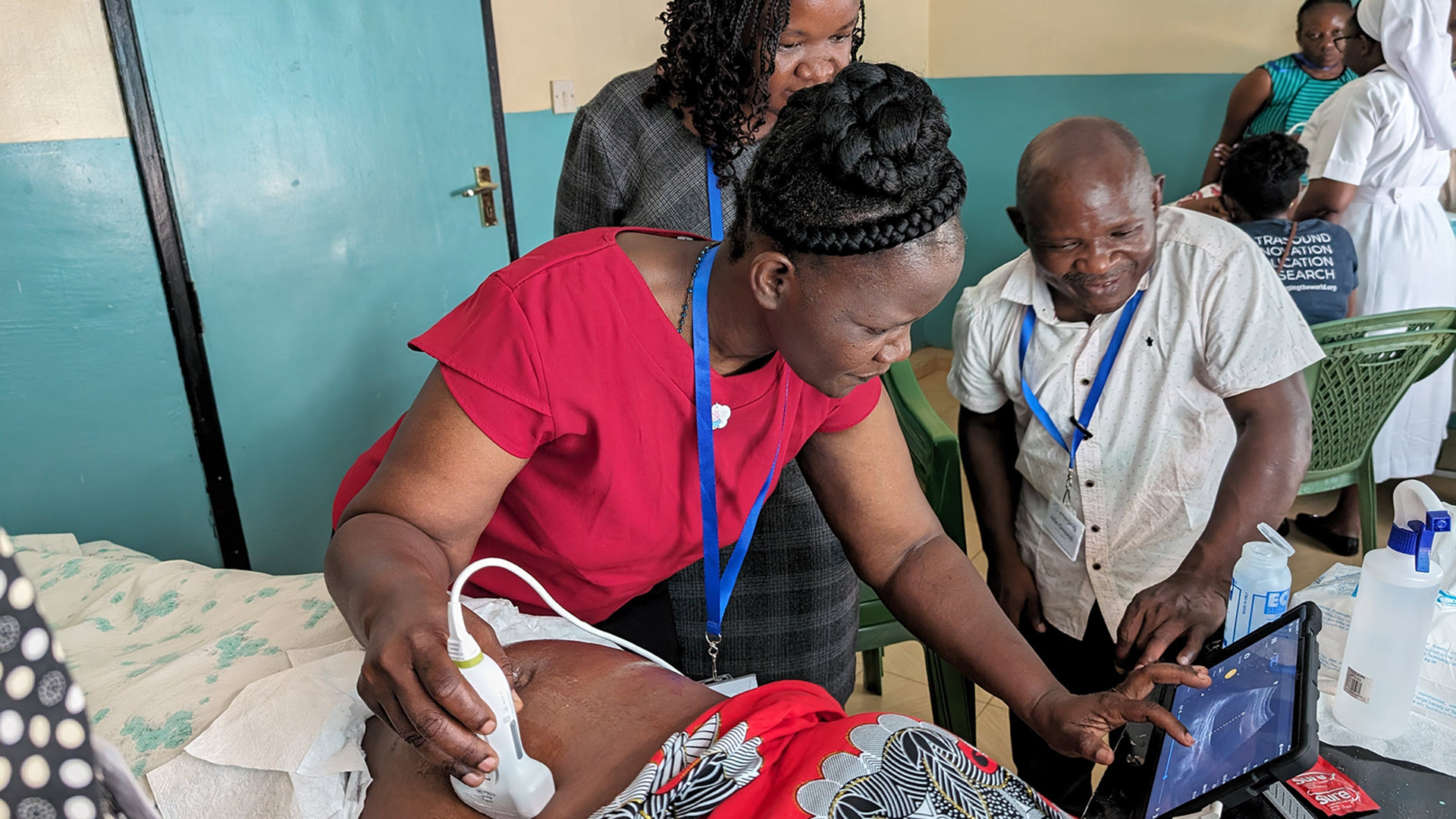
When the window for early screening is missed During the first 24 weeks of pregnancy, an ultrasound scan can reveal at-risk pregnancies that shape the entire course of care [2]. In many underserved settings, this screening opportunity is missed because women access care late, or the tools and training are not available at primary care level. In East Africa, Philips Foundation works with Imaging the World to make ultrasound accessible at the point of care. Through dedicated training programs and a specialized facility in Kampala, midwives are equipped to perform basic obstetric ultrasound, enabling earlier identification of high-risk pregnancies and more informed referral decisions. In Bangladesh, Philips Foundation works with BRAC to strengthen access to maternal and child health services in hard-to-reach island communities. By establishing fully functional health facilities and expanding community outreach, the project improves coverage of antenatal care, including early screening, and strengthens the identification and referral of high-risk pregnancies. By bringing screening and care closer to where women live, these approaches reduce delays in detecting complications and improve the likelihood that high-risk pregnancies are identified and managed in time. What this shows Across these examples, a clear pattern emerges. Maternal and child health outcomes depend on whether the chain of care holds from early health screenings to postnatal support. When it breaks, risks go unmanaged and complications can escalate, often at critical moments.
During the first 24 weeks, an ultrasound scan can reveal at-risk pregnancies that shape the entire course of care.
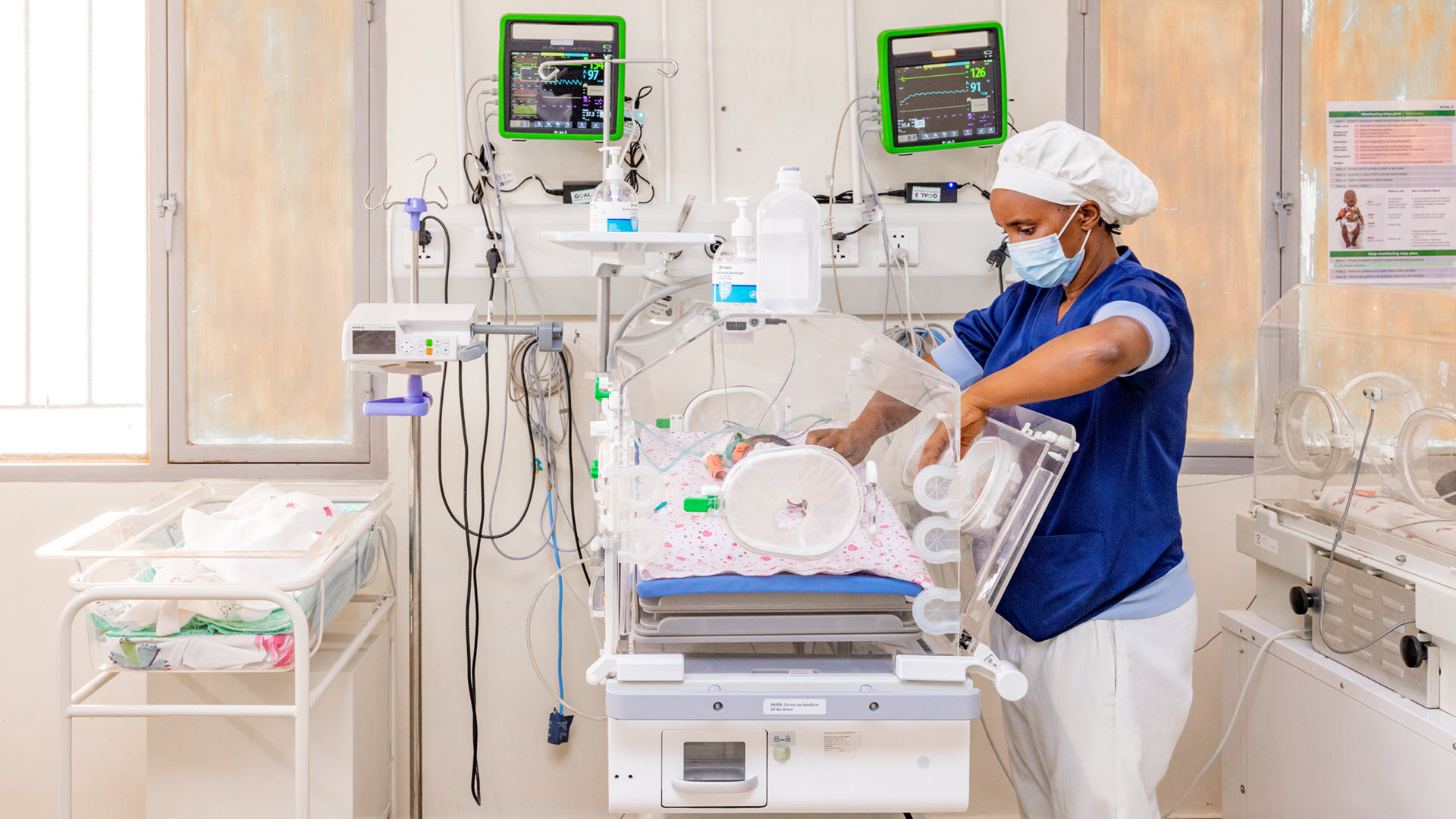
Ventures such as GOAL 3 support this stage by enabling continuous monitoring in primary care and hospital settings for busy, underresourced pediatric units. With hundreds of monitoring devices already deployed and national scale-up underway in countries such as Malawi and Rwanda, these systems help healthcare providers detect deterioration early and respond more effectively. This strengthens acute readiness and improves patient outcomes when time is critical. In underserved communities, these gaps reflect real barriers: distance to care centers, cost, limited information and systems that are difficult to navigate. Philips Foundation’s approach is to strengthen this chain end to end. Grant-based projects focus on building the foundations, equipping primary care, training health workers, and improving referral pathways. Impact investments support solutions that simplify access, connect care, and make it easier for women to move through the system. Together, they form one approach, reducing friction at every step and increasing the likelihood that care is received in time.
What we learned This is an excerpt from our 2025 Annual Report. For the full report, click here. [1] World Health Organization (2026). Child mortality (under 5 years) For further information, please contact:
Experience across maternal and child health initiatives reinforced the fact that outcomes depend on how well different parts of the care journey connect. Early detection, skilled frontline care, and referral pathways all play a role, but only when they function together in practice.
This is reflected in the evolution of approaches such as the partnership with ASSIST in India. Building on learnings from earlier work in Africa, this model brings together ultrasound screening, high-risk pregnancy identification tools and strengthened referral pathways into one coordinated approach. It also expands geographically into rural districts in India, where access to early screening and referral remains limited. By combining these elements into a single program, rather than separate interventions, it reduces fragmentation and makes it easier for health workers to apply what they know and for women to receive consistent care throughout pregnancy.
At the same time, the work shows that progress takes time. Strengthening maternal and child health systems requires alignment across partners, training, and infrastructure, particularly in settings where care is already under pressure.
[2] World Health Organization (2022). Maternal and fetal assessment update
Yannick Eshuijs
Philips Foundation
Tel.: +31 6 1852 6633
E-mail: [email protected]
September 08, 2026
June 16, 2026
April 24, 2026
March 10, 2026
January 28, 2026


