
You are about to visit a Philips global content page
Continue
Dec 11, 2025
By the Philips Foundation team
New health centers in Bangladesh are bringing skilled delivery care, ultrasound, and emergency referrals to families often cut off from the country’s health system.
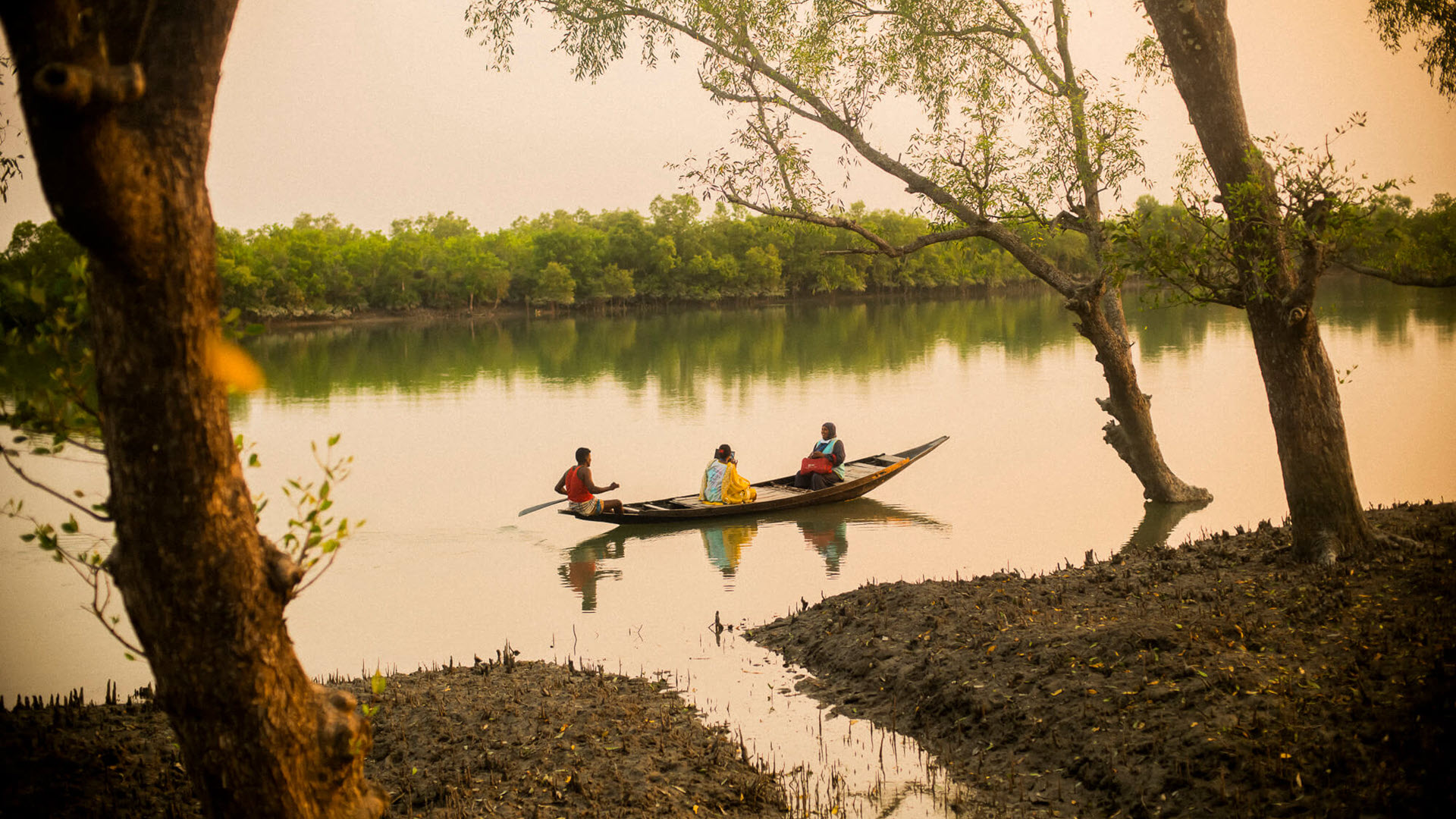
On the shifting river islands of northern Bangladesh, known as chars, access to healthcare has long been shaped by the river’s moods. Land disappears with the floods; roads dissolve, and communities are left beyond the reach of formal health services. Now, through a partnership between BRAC and the Philips Foundation, families in these fragile landscapes are gaining access to quality, continuous healthcare. Following the success of its first Char Health Centre in Kurigram, BRAC has opened a second facility in Ghorjan, Sirajganj, with support from the Philips Foundation. Together, through the two centers and the field staff, now reach more than 200,000 people across 130 remote char communities, some of the most isolated and climate-vulnerable parts of the country. For families who once relied on untrained birth attendants and village healers, the change is significant. Trained midwives now provide round-the-clock delivery care, and basic diagnostic testing, and telemedicine consultations. Each facility is linked to an emergency referral network that combines boats, motorbikes, and ambulances to ensure mothers are not left stranded when complications arise.
What is remarkable about this initiative is how it turns one of Bangladesh’s most challenging geographies into a testing ground for equity.
Eddine Sarroukh
Head of the Philips Foundation
As the health centers began taking root, their impact quickly extended beyond the numbers. For the Philips Foundation, the work represents what happens when innovation meets local expertise in the places that need it most. “What is remarkable about this initiative is how it turns one of Bangladesh’s most challenging geographies into a testing ground for equity,” Eddine Sarroukh, Head of the Philips Foundation, said. “These communities truly represent the last mile, isolated, flood prone, and often invisible to the formal health system.” For generations, these families have lived beyond the reach of trained doctors or functioning clinics; their health determined as much by the river as by medicine.
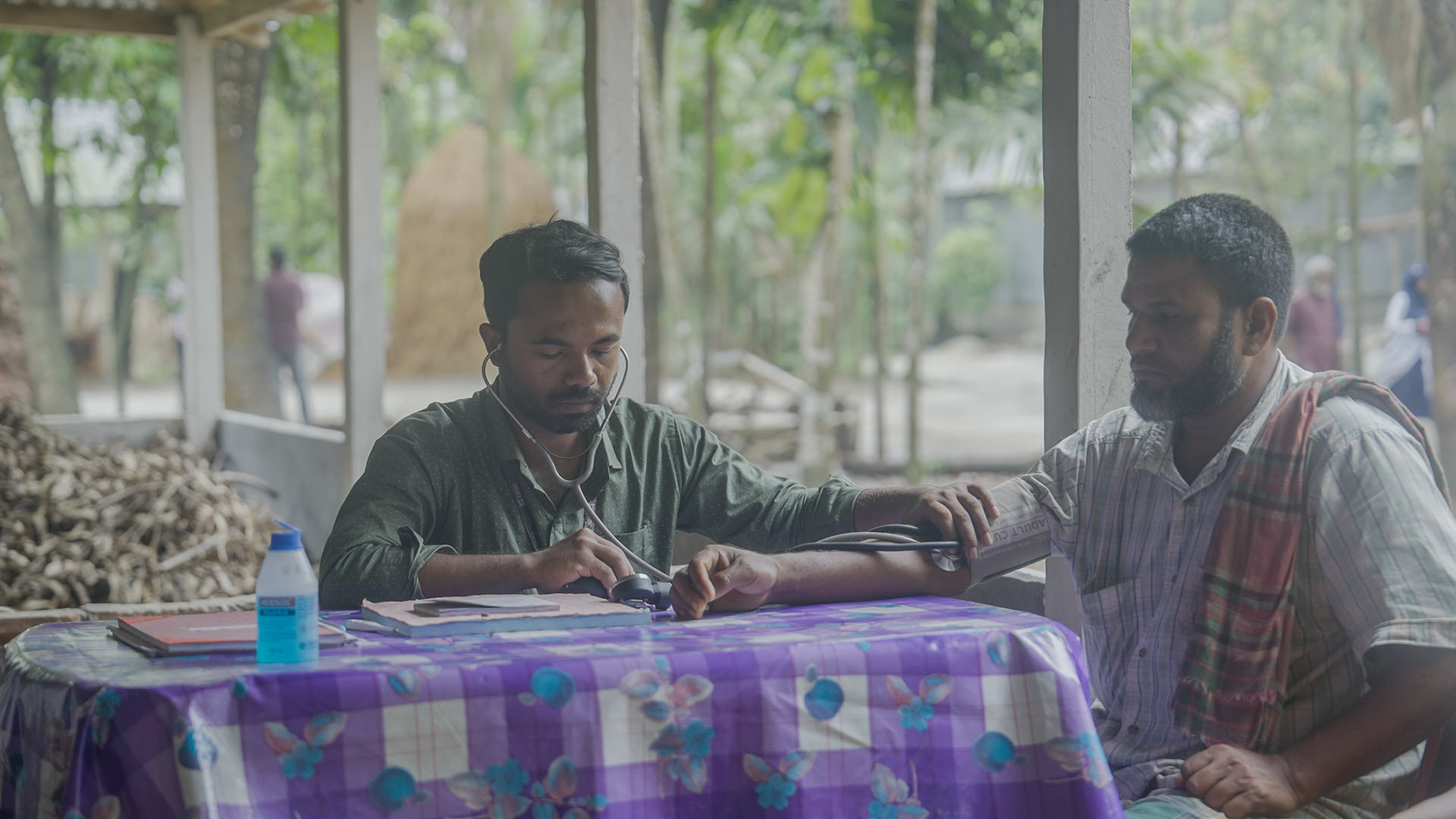
“Yet BRAC’s model shows that when local knowledge and innovation come together, even the most fragile environments can host quality healthcare,” Eddine continued. “It shows what is possible when global expertise and local leadership work hand in hand to expand access to care.” That collaboration is echoed by BRAC’s own experience on the ground. Dr. Imran Ahmed Chowdhury, Head of Health System Transformation and Innovation at BRAC, described how evidence from the first center in Kurigram informed the expansion to Sirajganj. “Unless investment reaches the last mile, the equity gap in Bangladesh’s health system will persist. Our experience in Kurigram shows that with the right design, the barriers of geography can be overcome. With Sirajganj, we are taking the next step to bring the model to the last miles, catering to the unreached communities of char.”
Unless investment reaches the last mile, the equity gap in Bangladesh’s health system will persist.
Dr. Imran Ahmed Chowdhury
Head of Health System Transformation and Innovation at BRAC
Beyond the immediate impact, the project also builds the foundation for long-term system change. Through collaboration with Bangladesh’s Directorate General of Family Planning, a previously non-functional Family Welfare Center has been reactivated, ensuring the char health network integrates into the national health system and can continue beyond external funding.
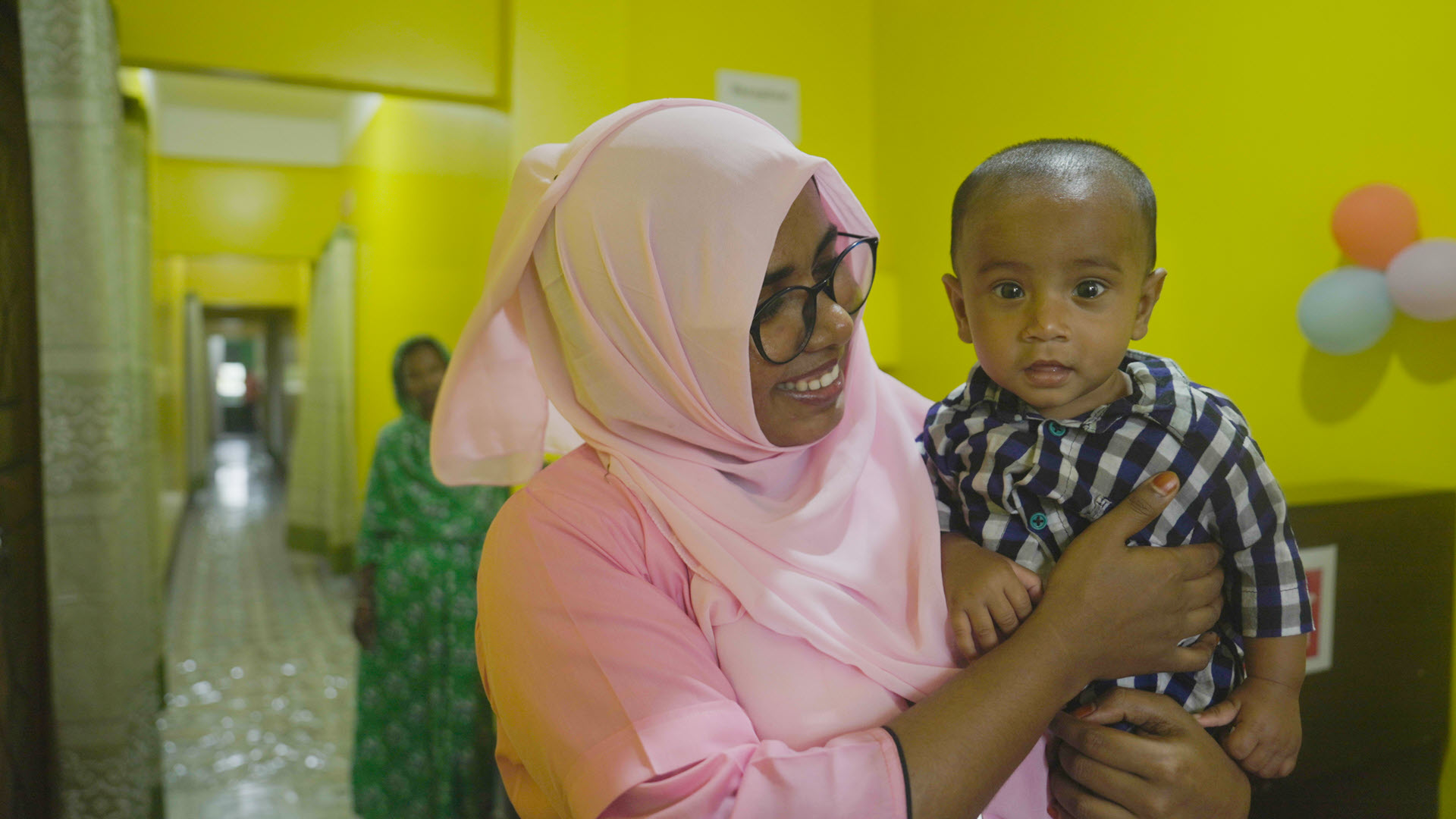
For the Philips Foundation, this partnership demonstrates how meaningful innovation and collaboration can enable access to quality healthcare for underserved communities. Even in the most remote corners of the world.
September 08, 2026
June 16, 2026
April 24, 2026
March 10, 2026


